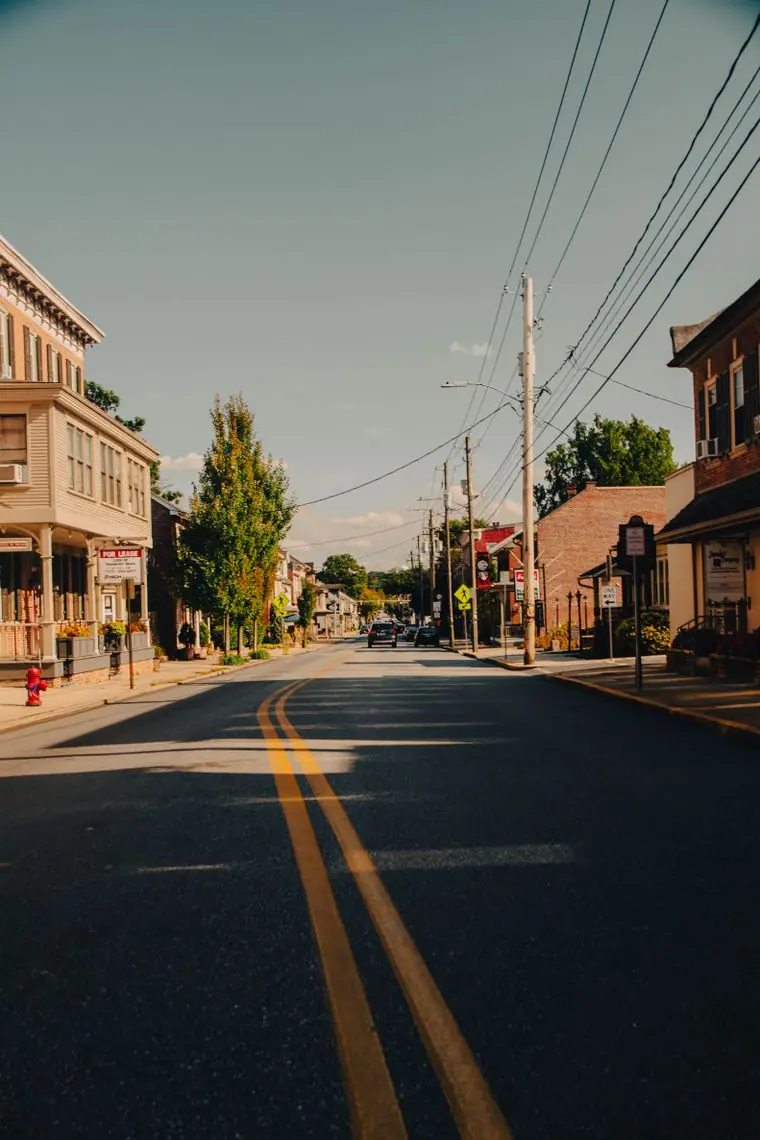
Gallery 1 · permanent
High Water: 1937
Rowboats on Broadway, the Red Cross camps on the hill, and the line on the warehouse wall showing where the water stopped.
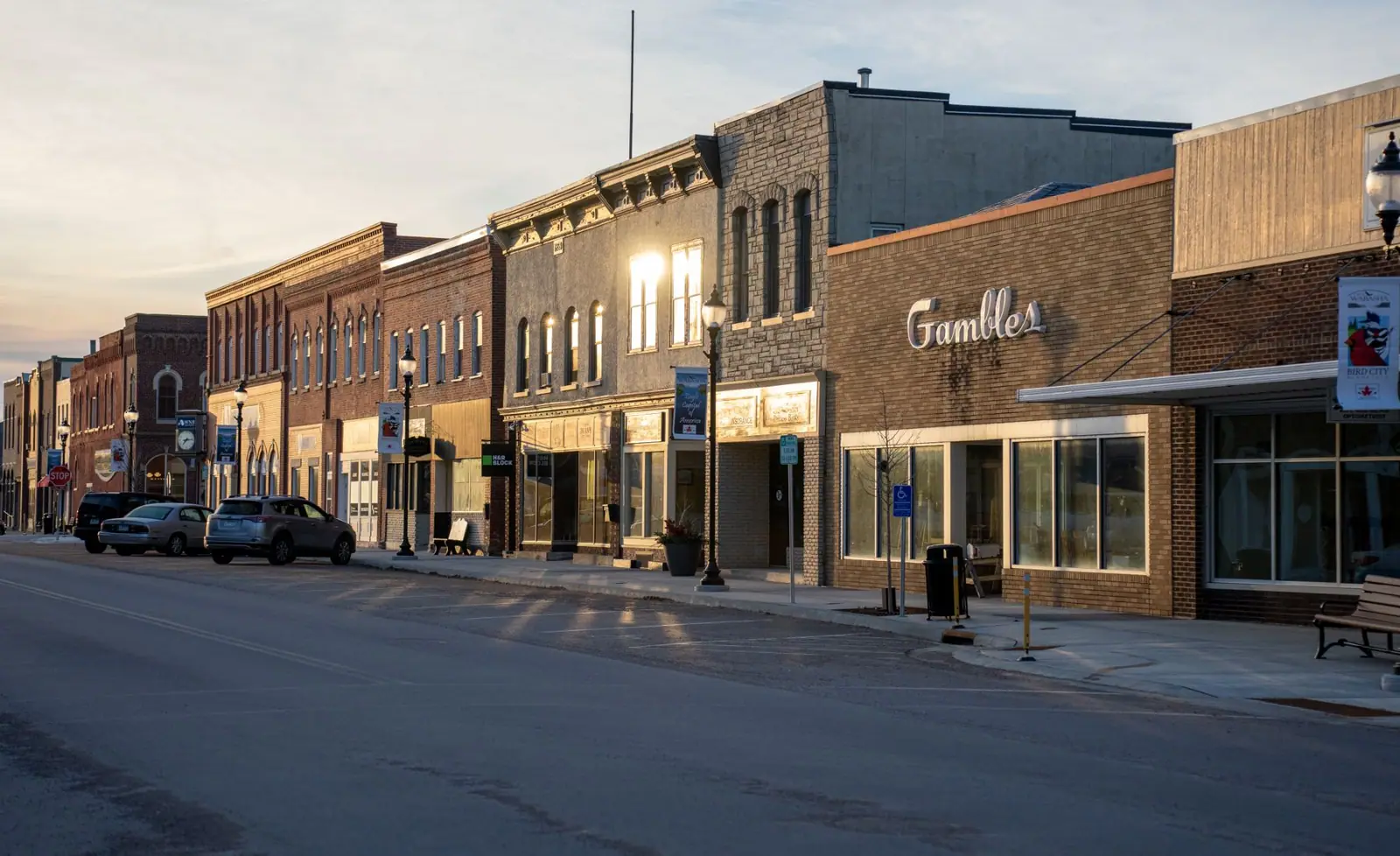
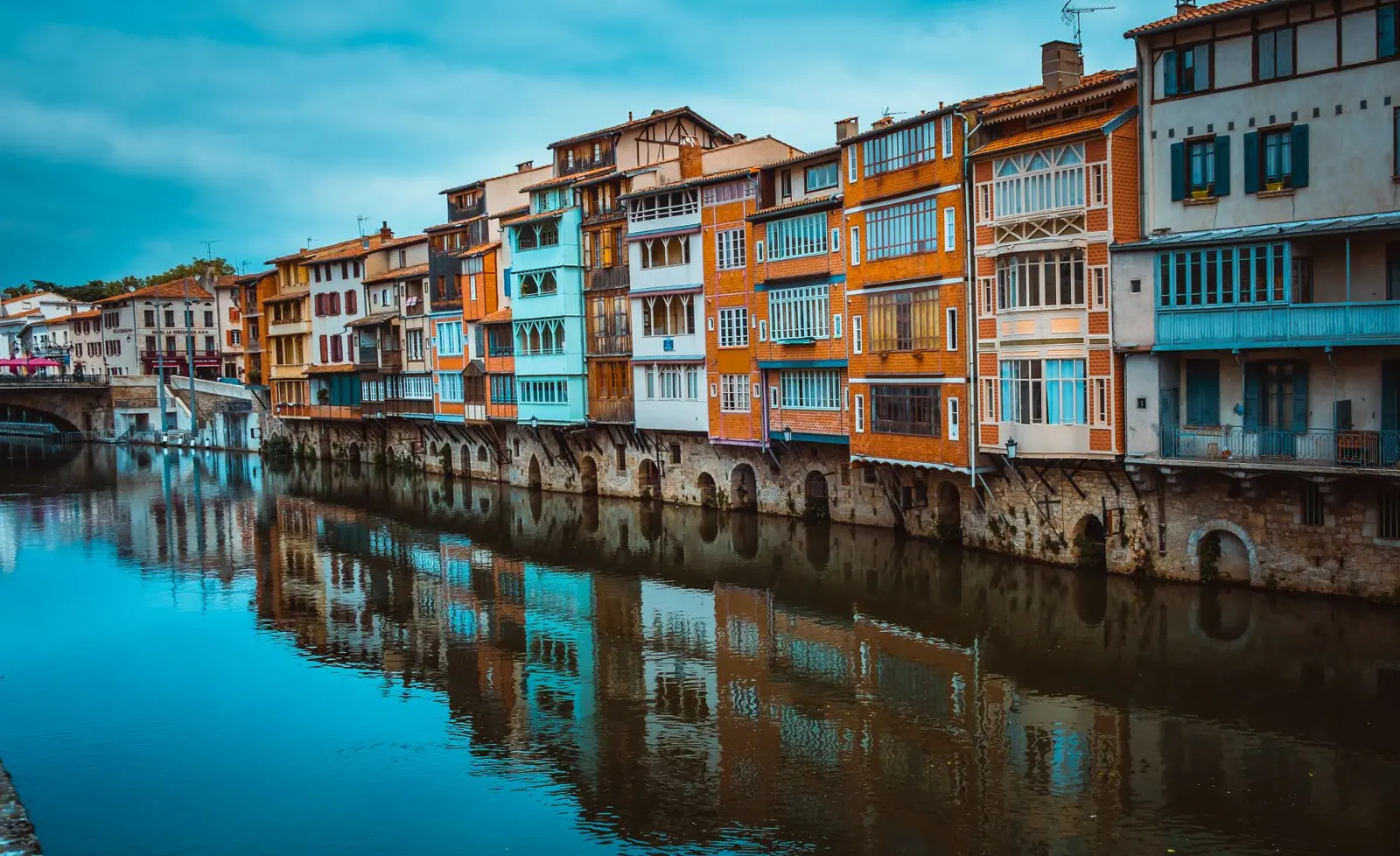
Plate 1
Second Street at dusk, two blocks from the river
Five galleries in an 1884 tobacco warehouse on Water Street: the flood, the river trade, the Atomic City years, the Southside's own recorded voices, and a changing exhibition upstairs.
On view
Start downstairs with the flood. Most people end in the listening room and stay longer than they meant to.
Gallery 1 · permanent
Rowboats on Broadway, the Red Cross camps on the hill, and the line on the warehouse wall showing where the water stopped.
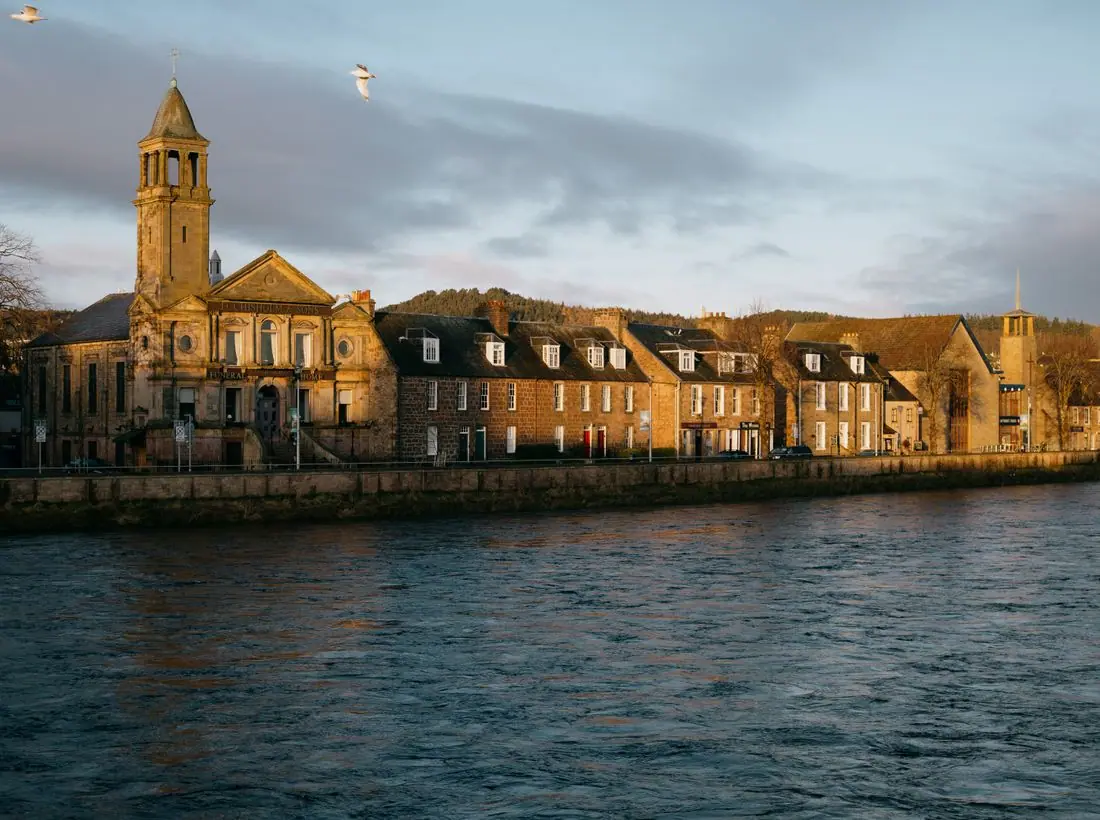
Gallery 2 · permanent
Packet boats, towboats and the pilots who learned every bend from Cairo to Louisville.
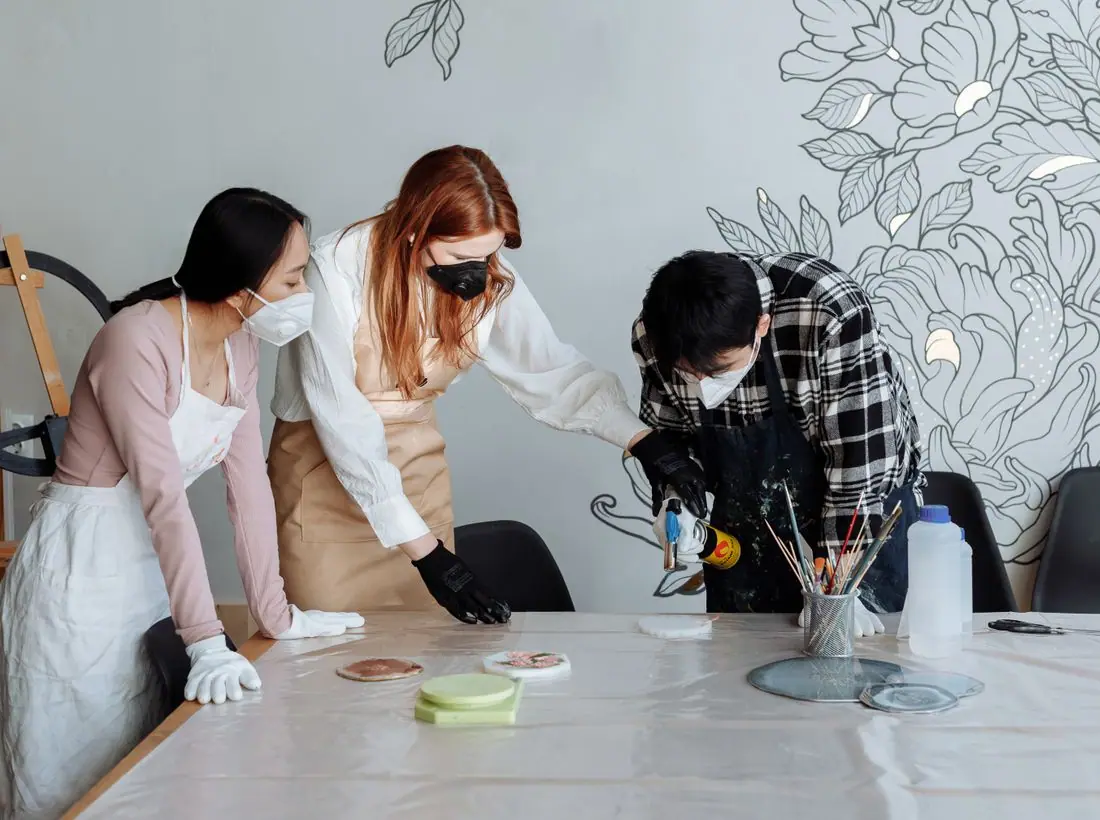
Upstairs · through January 31
Thirty-one kitchen-table quilts lent by local families, most never shown in public before.
From the oral history collection
Mama put the Bible and the photographs in a flour sack and we rowed out the upstairs window. When we came home the mud was up to the light switches.
Paducah in seven dates
Each of these has a case downstairs, in this order.
1827
Surveyors plat streets on the bluff where the Tennessee meets the Ohio.
1884
Built for dark-fired tobacco, the brick building on Water Street that now houses the museum.
1937
The Ohio rises past sixty feet. Nearly the whole town is evacuated for weeks.
1949
The floodwall is finished along the riverfront, with gates that close across the streets.
1952
The uranium plant west of town opens and the population jumps by thousands in two years.
1979
Volunteers open two rooms of the warehouse with objects collected door to door.
2008
Volunteers record 212 oral histories with Southside residents. The archive is still growing.
Talks and walks
Oct17
11:00 AM · Meet at the museum door
An hour along the wall with a docent. Flat, about a mile.
Oct22
6:30 PM · Upstairs gallery
Curator Nadine Shemwell reads from three logbooks donated this summer.
Nov7
10:00 AM · Workroom
Our textile volunteers photograph and date family quilts. Free, no appointment.
Nov14
2:00 PM · Listening room
Former plant workers and their children share stories. Recorded for the archive.
Nothing in that category this month.
$8 for adults, $5 for students and seniors, free for children under six. Free for McCracken County residents on the first Sunday of every month.
Design notes
Rivertown is a small museum with a big subject, and the site is designed like its own exhibition labels: one strong photograph, a precise caption, and the facts a visitor needs set in a ruled strip. It should feel like a well-kept archive, not an attraction.
Old Standard TT is a revival of the Modern serifs used in American books and newspapers in the 1870s and 80s, which is exactly when the warehouse was built. Libre Franklin, a Franklin Gothic revival, handles body text the way that face once handled railway and river-packet timetables. Courier Prime sets dates and catalog numbers like a typed accession card.
The red is the oxide paint on old packet boats and the brick of Water Street; the blue-green is the Ohio on a clear day. The background is a cool gray taken from river fog rather than the beige of most history sites, and a fine grain sits over everything like the tooth of archival paper. Every pairing passes WCAG AA in both themes.
A single Menu button opens a full-screen index of the seven pages in large type. Museum visitors usually come for one thing, today's hours or the flood, and the uncluttered first screen lets the photograph and its caption do the introducing.
The photograph runs edge to edge with no words on it, and the headline sits underneath like a gallery caption, with place, date and photographer in a ruled strip above. It is how the museum labels its own objects, so the first screen behaves like the building.
The main action is Hours & admission, because nearly every visitor arrives asking whether we are open. The others name specific outcomes: Book a class visit, Request a research hour, Become a member. The brackets around each button echo the square brackets archivists use for supplied information.
Paducah streets, the river, the research room and the people who remember. We deliberately avoided generic grand museum halls: this is a two-storey warehouse with oak floors, and the photography should never promise marble.
Generous body size, full-contrast captions, and an honest access section: the elevator, the hearing loop in the listening room, the bench in every gallery. The live open-or-closed status is written out in words as well as shown.
Every text pairing is checked against WCAG 2.2 in both themes.
| Pairing | Sample | Ratio | WCAG |
|---|---|---|---|
| Body text on page | Aa | 13.6:1 | AAA |
| Body text on cards | Aa | 15.19:1 | AAA |
| Secondary text | Aa | 5.91:1 | AA |
| Links | Aa | 7.71:1 | AAA |
| Button text | Aa | 9.5:1 | AAA |
| Accent label text | Aa | 6.7:1 | AA |
| Text on dark bands | Aa | 13.6:1 | AAA |
| Muted text on dark bands | Aa | 7.25:1 | AAA |
| Text on brand bands | Aa | 9.5:1 | AAA |
| Muted text on brand bands | Aa | 6.06:1 | AA |
| Pairing | Sample | Ratio | WCAG |
|---|---|---|---|
| Body text on page | Aa | 14.71:1 | AAA |
| Body text on cards | Aa | 13.24:1 | AAA |
| Secondary text | Aa | 6.62:1 | AA |
| Links | Aa | 8.06:1 | AAA |
| Button text | Aa | 8.46:1 | AAA |
| Accent label text | Aa | 9.15:1 | AAA |
| Text on dark bands | Aa | 15.81:1 | AAA |
| Muted text on dark bands | Aa | 8.03:1 | AAA |
| Text on brand bands | Aa | 8.46:1 | AAA |
| Muted text on brand bands | Aa | 5.25:1 | AA |
Designed by Greater Purpose Web. Names, people and events are sample content.