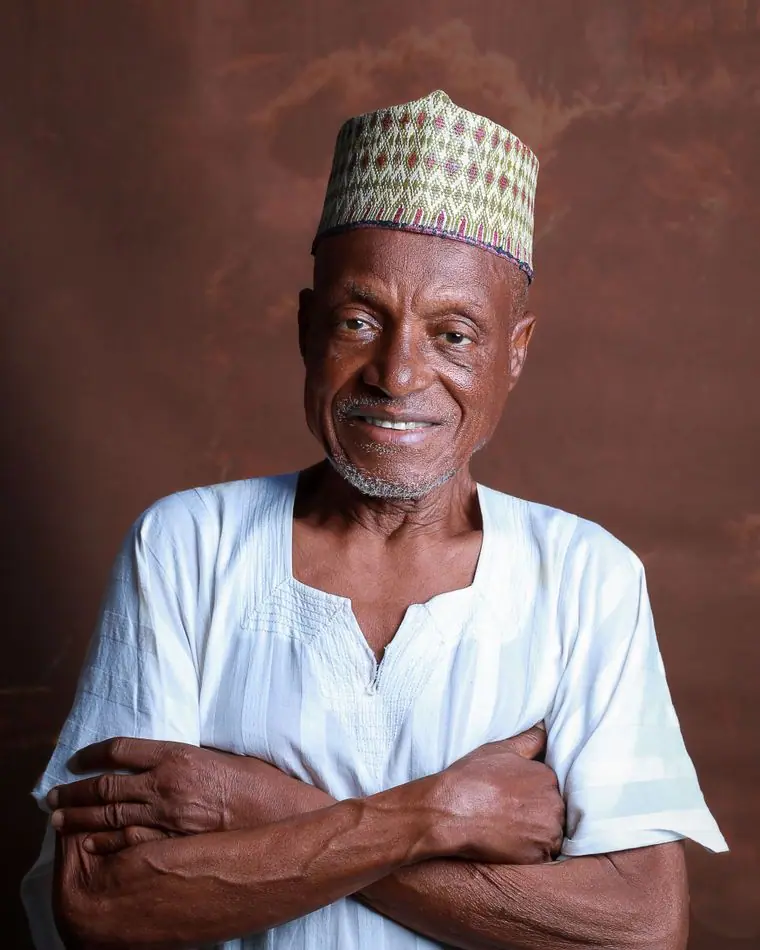
Moussa Abakar
Lead translator, Language K
The translators
Only those who agreed to be shown appear here, some by first name only. Every one of them is paid a fair stipend by supporters like you.
Teams and consultants
Write to any of them through the office; we pass every letter on.
Lead translator, Language K
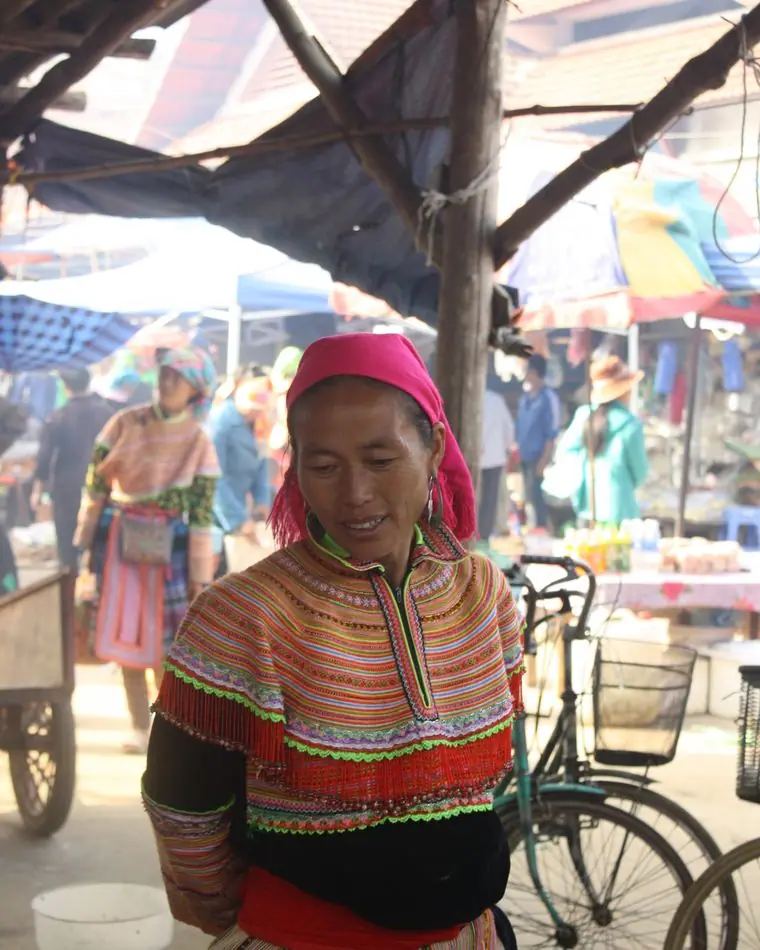
Translator, Southern Quechua

Translator and typesetter, Language T
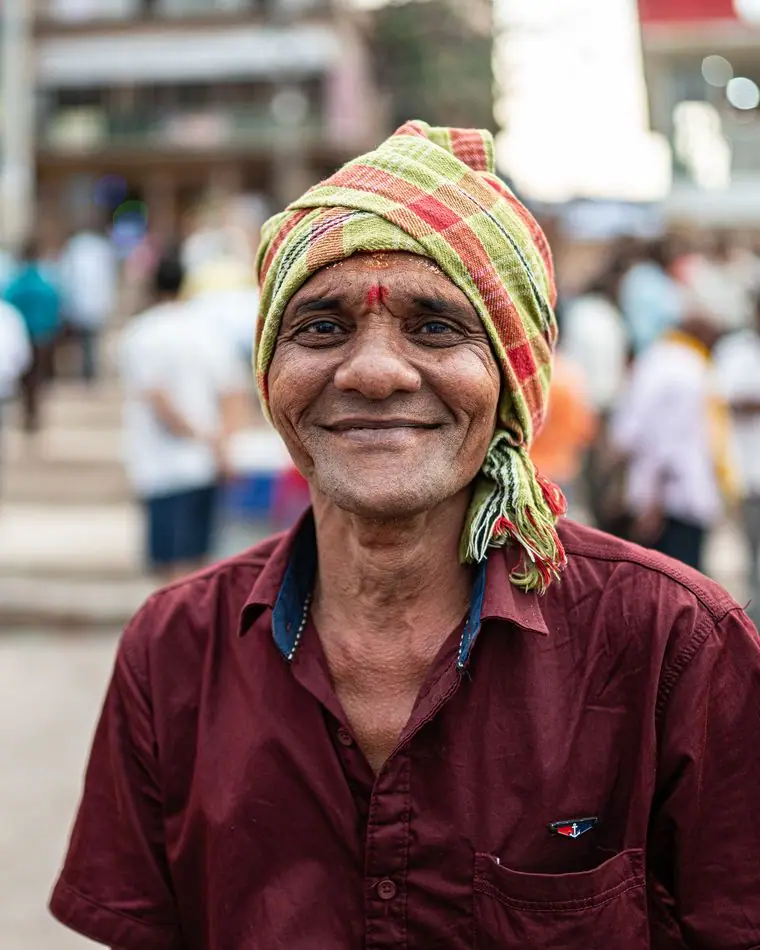
Reviewer and elder, East Africa
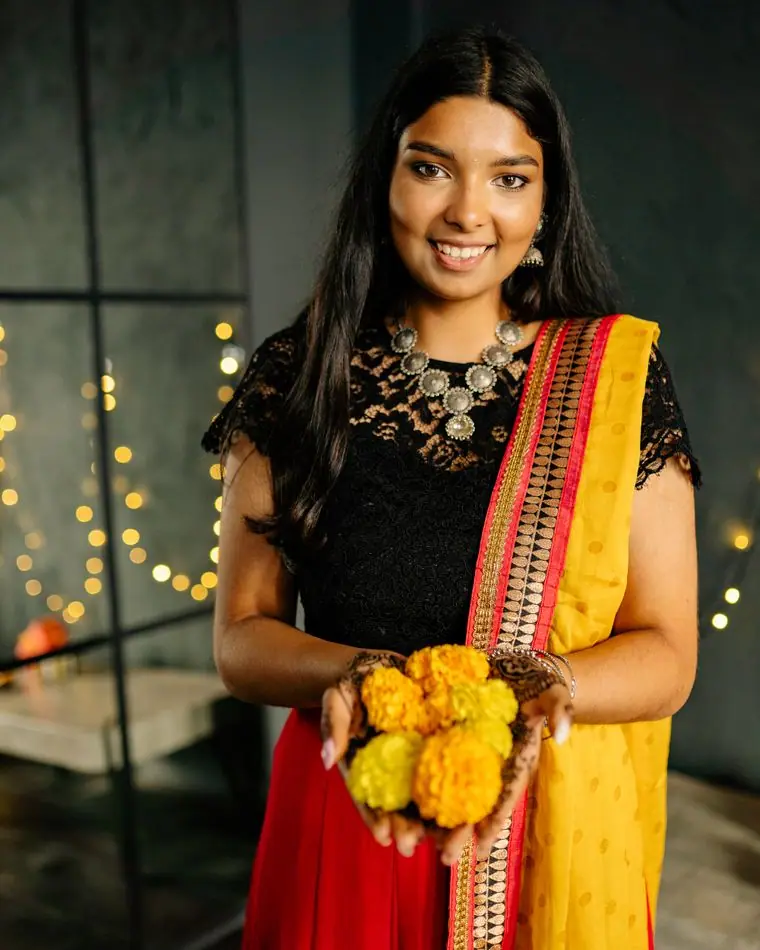
Psalms team, Language S
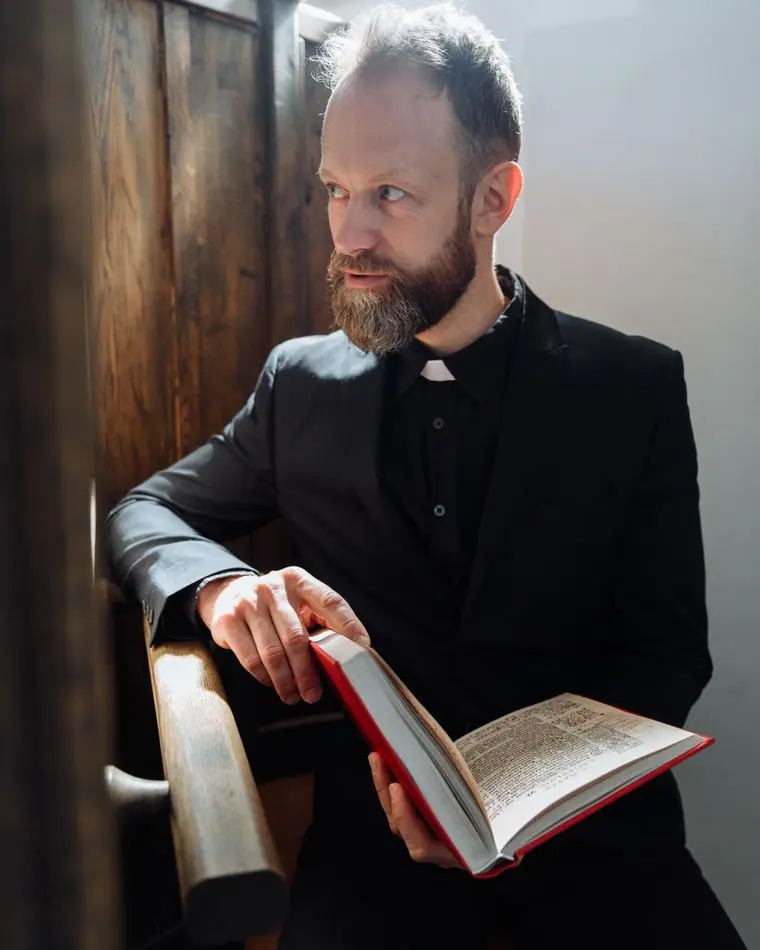
Translation consultant
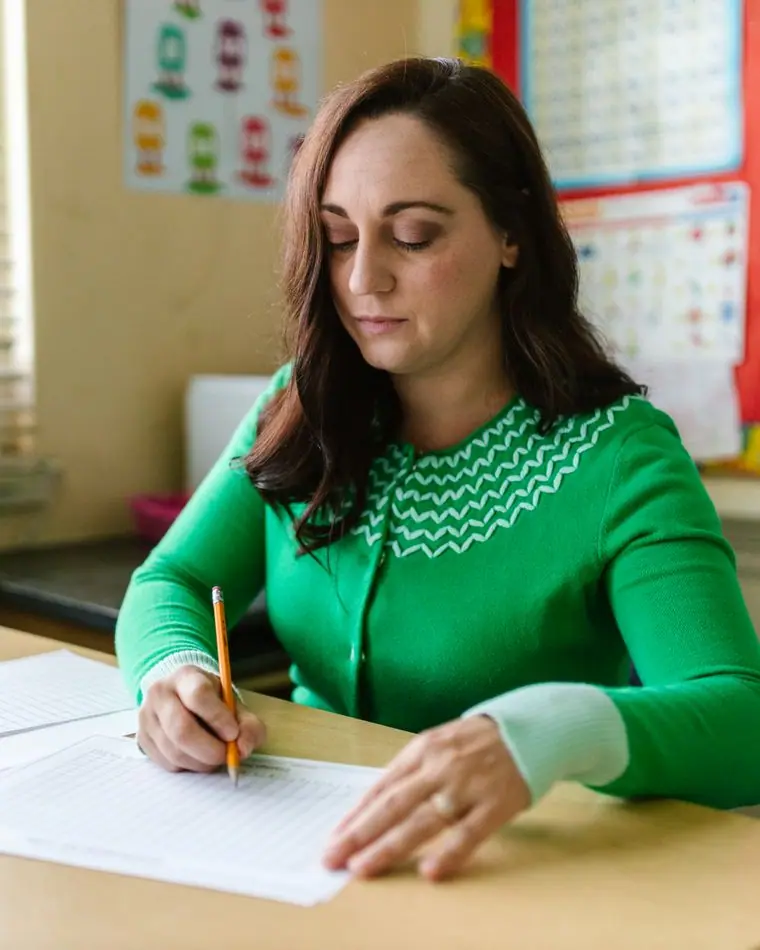
Executive director and linguist

Typesetting and audio, Duncanville
From the desk
How a team in northern Cameroon spent three weeks looking for the word for 'forgive', and found it at a goat market.
Dr. Ruth Ambler · Executive director
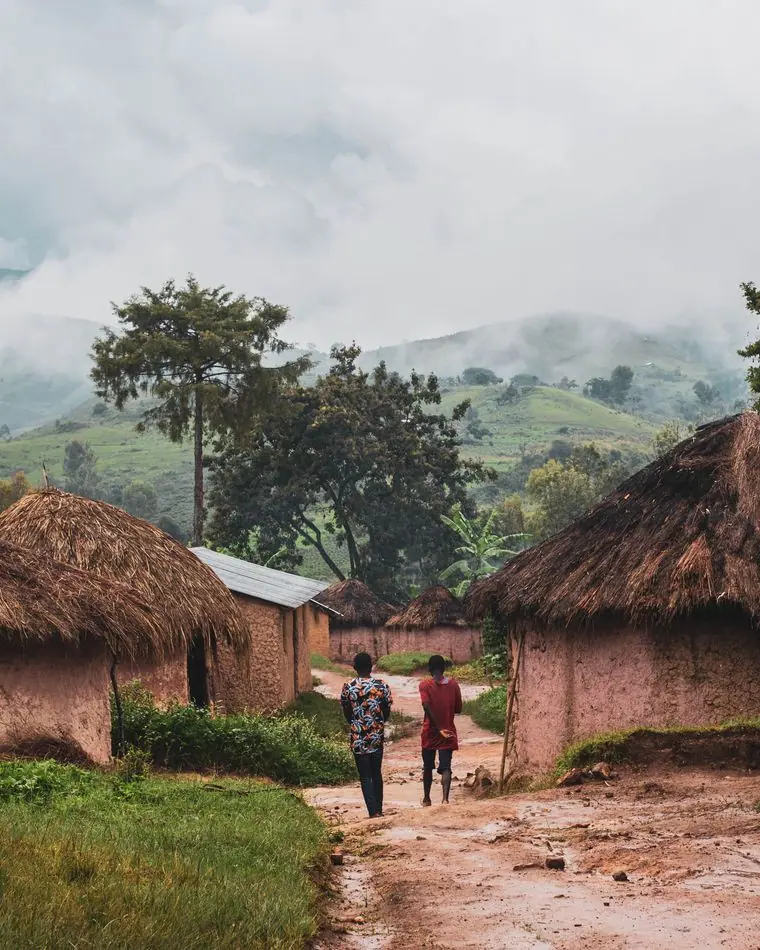
Every translation has a handful of words that refuse to cooperate. For the Language K team it was forgive. The French Bible everyone used had pardonner, and people knew it the way they knew the words on a tax form.
Moussa's team tried four candidates in the community check. One meant 'to forget', which is not the same thing. Another was what a court does when it drops a fine, which made God sound like a magistrate. The readers were polite about both and convinced by neither.
The breakthrough came on a Thursday at the livestock market. A buyer and a seller had argued about a debt for half an hour, then shook hands, and the seller said a phrase Moussa had heard all his life without noticing: I have untied the rope.
When the French Bible says forgive, I understand it. When ours says untie the rope, I feel it.
In the village the phrase means a debt is gone, and that the person who held it chose to let it go. It also carries a picture everyone knows: a tethered animal walking free. The team tested it in five villages. People repeated it back without being asked.
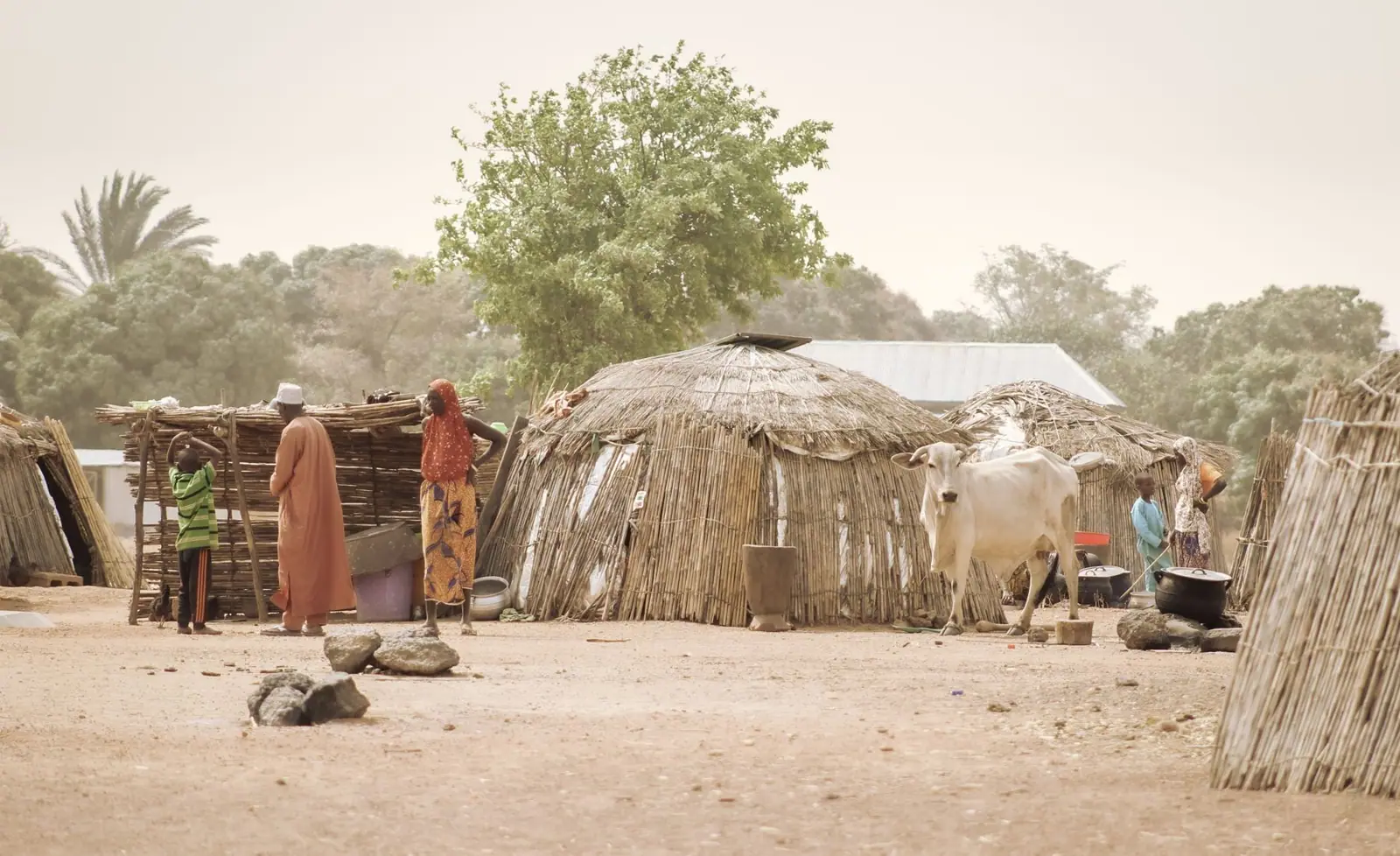
Dr. Haddad checked it against every forgiveness passage in Luke and Acts, and it held. The Lord's Prayer in Language K now asks God to untie our ropes as we untie the ropes of others.
It took three weeks to choose two words. That is about average, and we would not want it any faster.
A translator's monthly stipend ranges from $180 to $420, depending on the local cost of living.
Design notes
Every Tongue Project is a small Texas ministry that pays, trains and supports mother-tongue Bible translators in 38 languages. The site has to explain a slow, careful process to churches that give, while protecting translators who work in places where their faces and village names cannot appear online.
The whole site is set in the IBM Plex family: Serif for headings, Sans for reading and Mono for labels and verse references. Translation is engineering with words, and Plex was drawn for engineers, with very clear figures and broad support for diacritics. One superfamily also mirrors the discipline of the work: consistent, checked, nothing decorative for its own sake.
The red is rubric, the iron-oxide red scribes used for headings and initials in manuscript Bibles; it is also close to the color of a consultant's correction pen. The teal is verdigris from old bindings, and the background is the gray-green of ledger paper rather than parchment cream. In dark mode the rubric lightens to coral so it keeps its contrast on a deep green-black.
Long pages with a contents column on the right, because visitors here read. A mission committee preparing a budget report wants to jump to the figures, a prayer partner to the language they adopted. The column shows where you are on the page without hiding the main navigation.
The opening number is verses approved this year. It is the honest unit of the work: a verse goes on the count only after a consultant signs it off. It sits full width, large enough to read from the back of a church foyer when it goes up on a mission Sunday slide.
'Sponsor a chapter' is the primary action because a chapter is a real, fundable unit: about one month of a team's time. 'Adopt a language in prayer' is the second door, deliberately given equal weight on the home page, because many supporters will never give large sums but will pray for one people group for years.
Field photographs never show translators' faces in sensitive regions, and language names are replaced with letters where needed, which is standard practice in this field. Portraits appear only for team members who have agreed to it. We favour desks, pages and gatherings around a reading over landscapes, because the story is people working with words.
Every color pair passes WCAG AA in both themes, including the red labels. The contents column is a real ordered list of links, so screen-reader users can navigate long pages by section. Audio samples come with text, and nothing important is carried by color alone.
Every text pairing is checked against WCAG 2.2 in both themes.
| Pairing | Sample | Ratio | WCAG |
|---|---|---|---|
| Body text on page | Aa | 14.13:1 | AAA |
| Body text on cards | Aa | 15.6:1 | AAA |
| Secondary text | Aa | 5.61:1 | AA |
| Links | Aa | 6.42:1 | AA |
| Button text | Aa | 7.37:1 | AAA |
| Accent label text | Aa | 5.87:1 | AA |
| Text on dark bands | Aa | 14.13:1 | AAA |
| Muted text on dark bands | Aa | 7.57:1 | AAA |
| Text on brand bands | Aa | 7.37:1 | AAA |
| Muted text on brand bands | Aa | 4.77:1 | AA |
| Pairing | Sample | Ratio | WCAG |
|---|---|---|---|
| Body text on page | Aa | 14.49:1 | AAA |
| Body text on cards | Aa | 13.06:1 | AAA |
| Secondary text | Aa | 6.54:1 | AA |
| Links | Aa | 6.59:1 | AA |
| Button text | Aa | 7.0:1 | AAA |
| Accent label text | Aa | 9.18:1 | AAA |
| Text on dark bands | Aa | 15.62:1 | AAA |
| Muted text on dark bands | Aa | 7.96:1 | AAA |
| Text on brand bands | Aa | 7.0:1 | AAA |
| Muted text on brand bands | Aa | 4.67:1 | AA |
Designed by Greater Purpose Web. Names, people and events are sample content.