How it works
Slow on purpose
A New Testament takes eight to twelve years. Most of those years go into making sure a grandmother hears what the Greek actually says.
Average timings from our last 14 completed New Testaments.
Six stages
What happens to every verse
Most passages loop between stages two and four several times. That is the system working.
Step 1 of 6
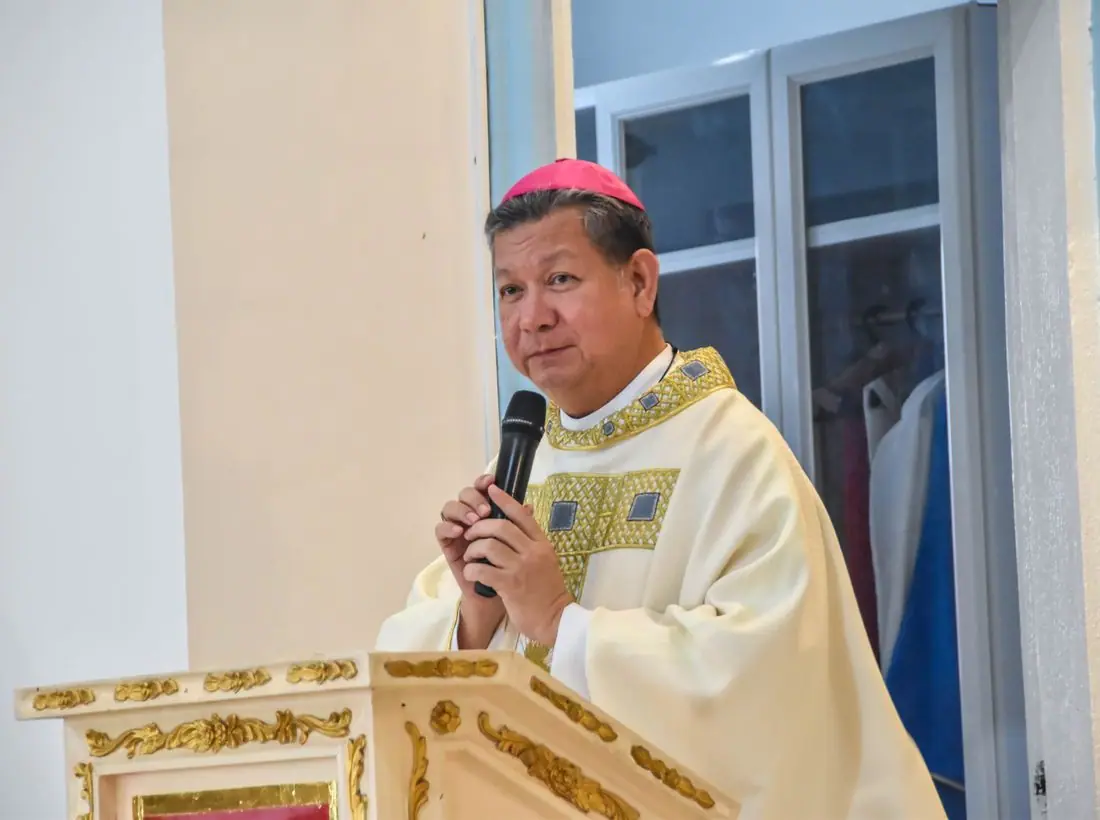
A church chooses its translators
Local churches nominate two or three people who speak the language from birth and are trusted to tell the truth. We train them for two years before the first verse.
Step 2 of 6
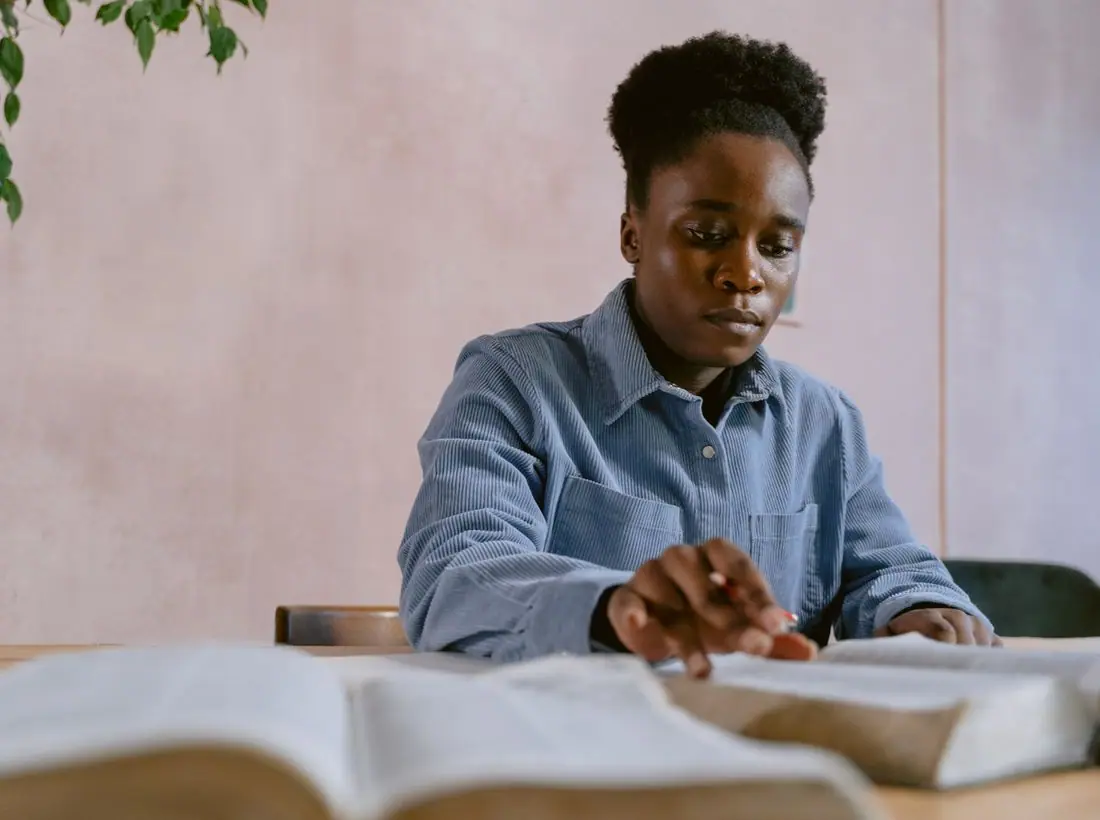
Drafting
Working from the Greek and Hebrew with study notes in Paratext, a team drafts about a chapter a month. Most teams work from a shared office in a market town.
Step 3 of 6
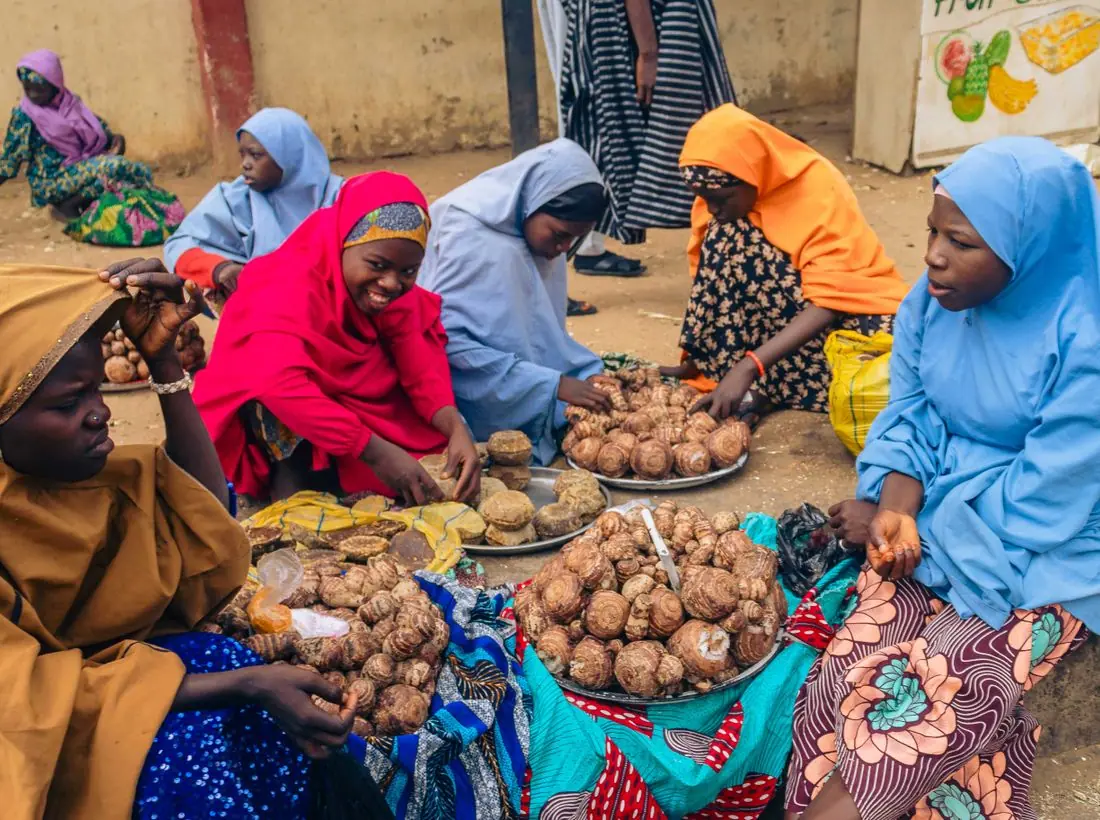
Team and community check
The team reads its draft aloud to groups in different villages and ages. Any word that makes people stop or laugh goes on a list.
Step 4 of 6
Back translation
A speaker who has not seen the source text writes a literal English version. It reads oddly on purpose, so nothing is smoothed over.

Step 5 of 6
Consultant check
One of our consultants spends two to three weeks with the team, going verse by verse through the back translation. Only approved passages count toward our totals.
Meet the consultants
Step 6 of 6
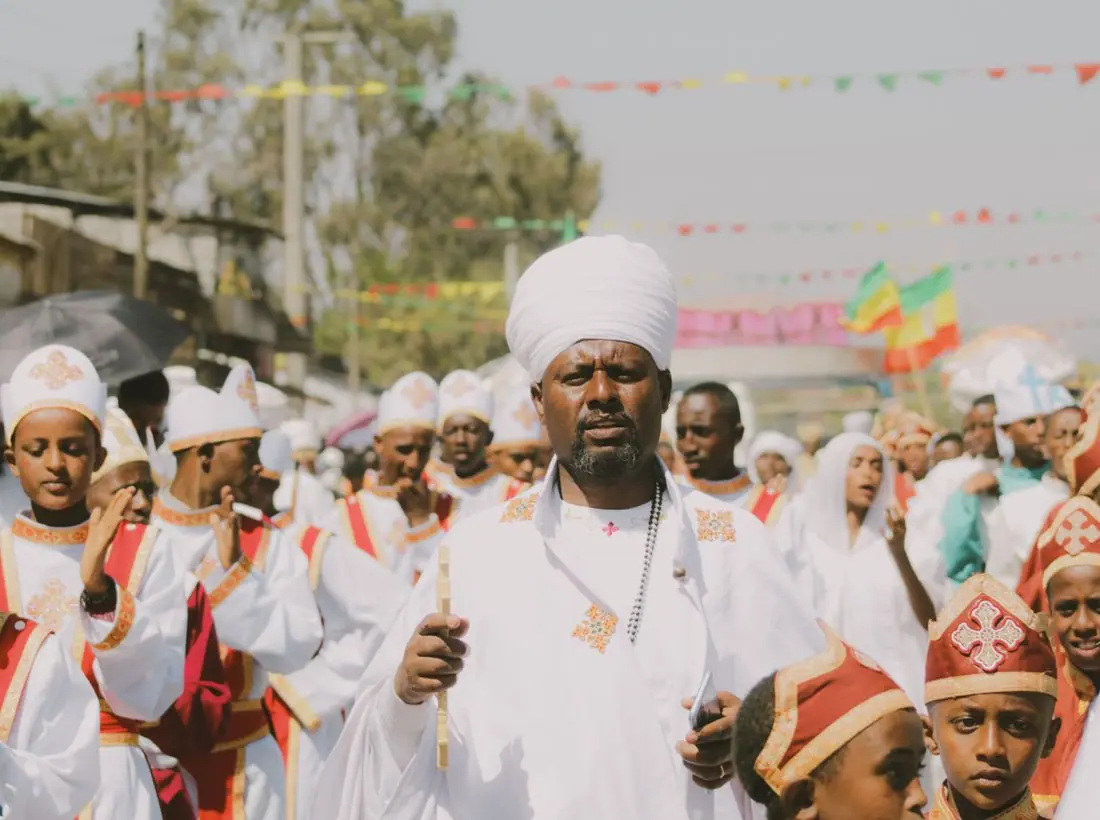
Typeset, record, dedicate
Bao and the Duncanville team typeset the text, a studio records it as audio, and the community holds a dedication service. Then the reading groups start all over again with the next book.
Typical timings
What the numbers usually look like
Averaged across the last fourteen New Testaments we helped finish.
2009 to 2025
9.41
years from first draft to dedication
~85
verses drafted per team per month
40+2
community readers per book
11
consultant visits per New Testament
- 1The fastest took six years; the slowest, fourteen, including a civil war.
- 2At least four villages, three age groups, men and women heard separately.
Figures from our project database, updated each June.
Questions
What supporters ask us
Why not use AI to translate faster?
We use software constantly, including machine-assisted drafting tools where they exist for a language. They speed up the first draft. They do not replace community checking or a consultant, because the point is a text that real speakers trust.
Why pay translators instead of using volunteers?
Because it is a full-time job for a decade. Unpaid translators drift away to feed their families, and projects stall. Fair stipends are the single biggest predictor of a finished New Testament.
Who owns the translation?
The language community's churches. We never hold the copyright; it is registered to a local trust the churches appoint.
What about oral communities?
About a third of our teams produce audio first, often with women's storying groups. Print follows when there are readers for it.
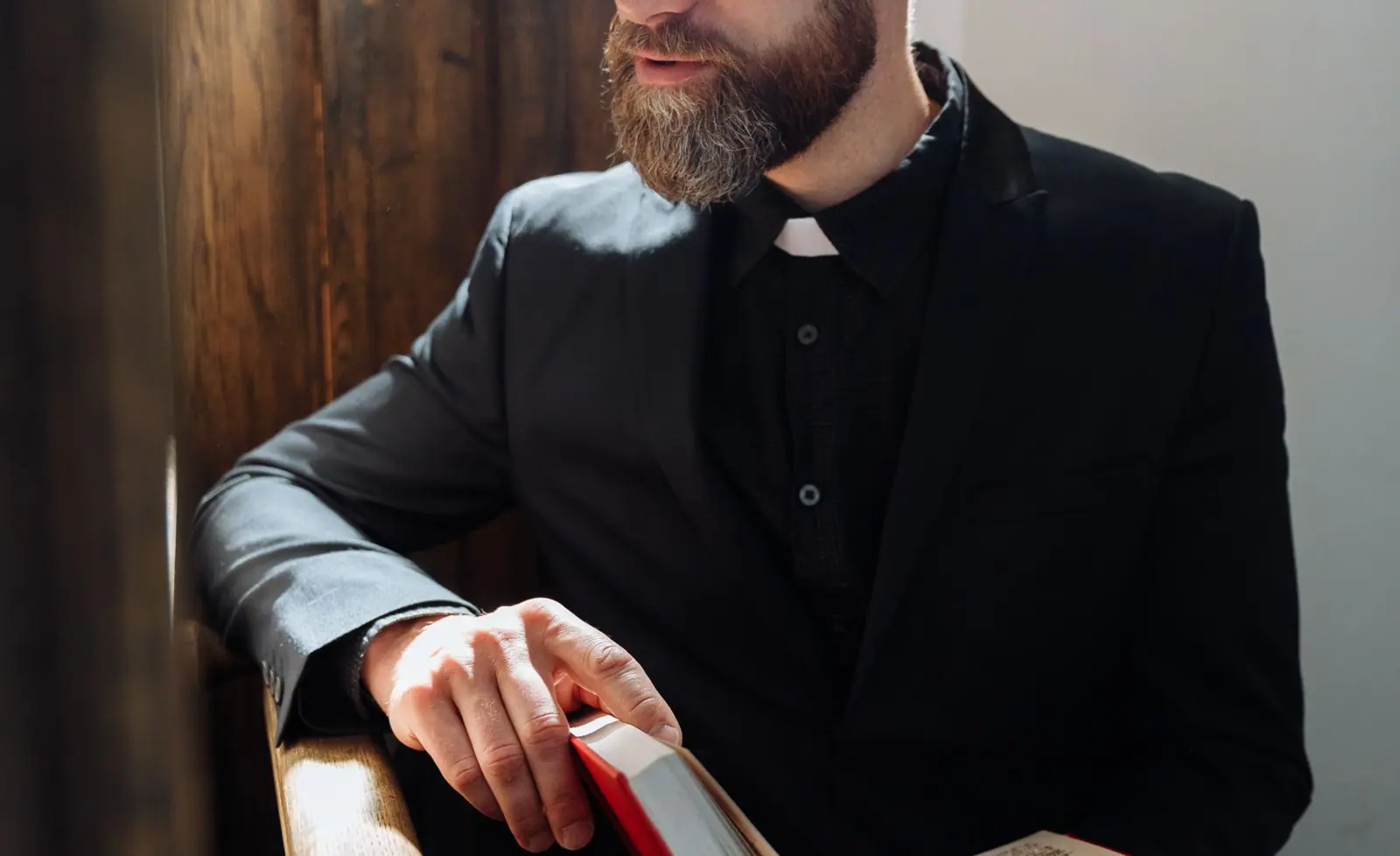
From a consultant
My job is to ask the same question four hundred times: what does this word mean to you? The answers are where the real translation happens.
Fund one month of one team's work
A chapter is $45 a month for a year. You'll receive its back translation when it passes the check.